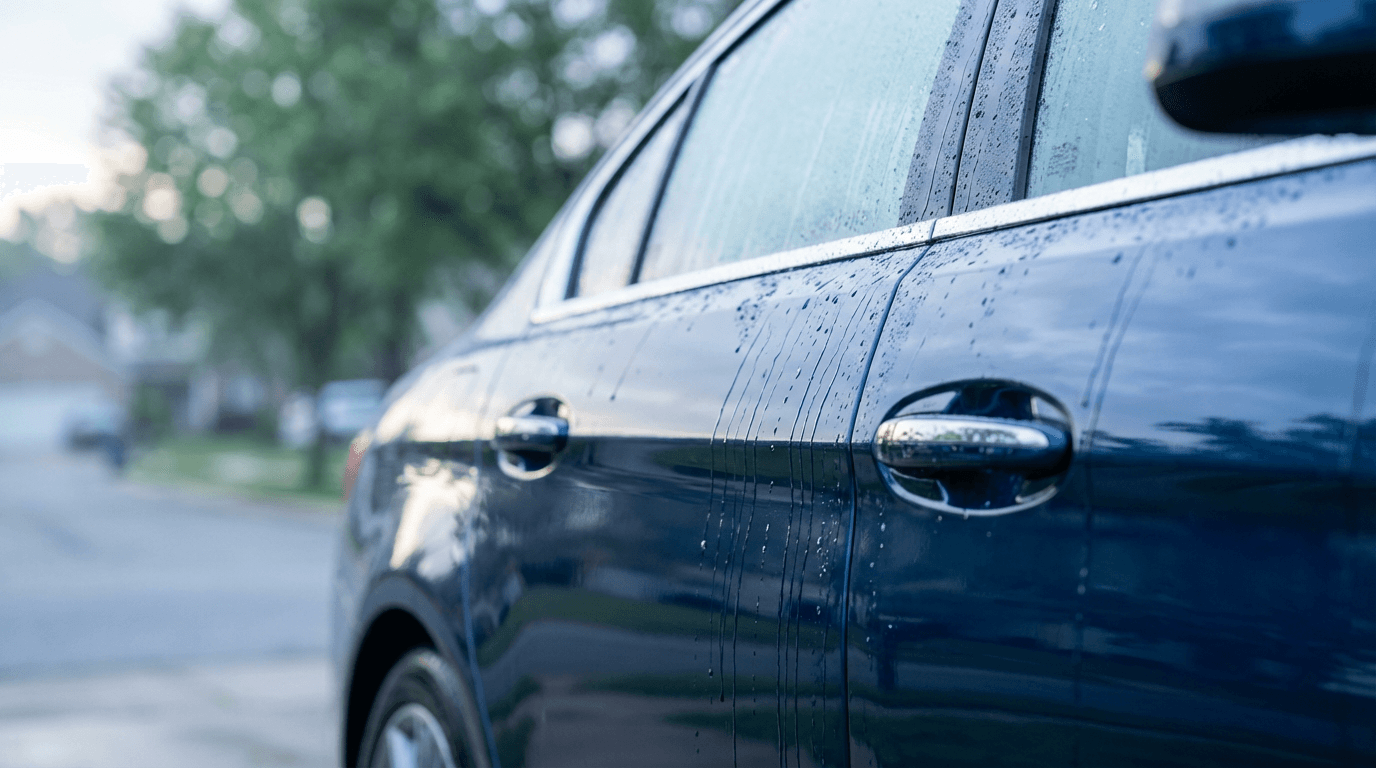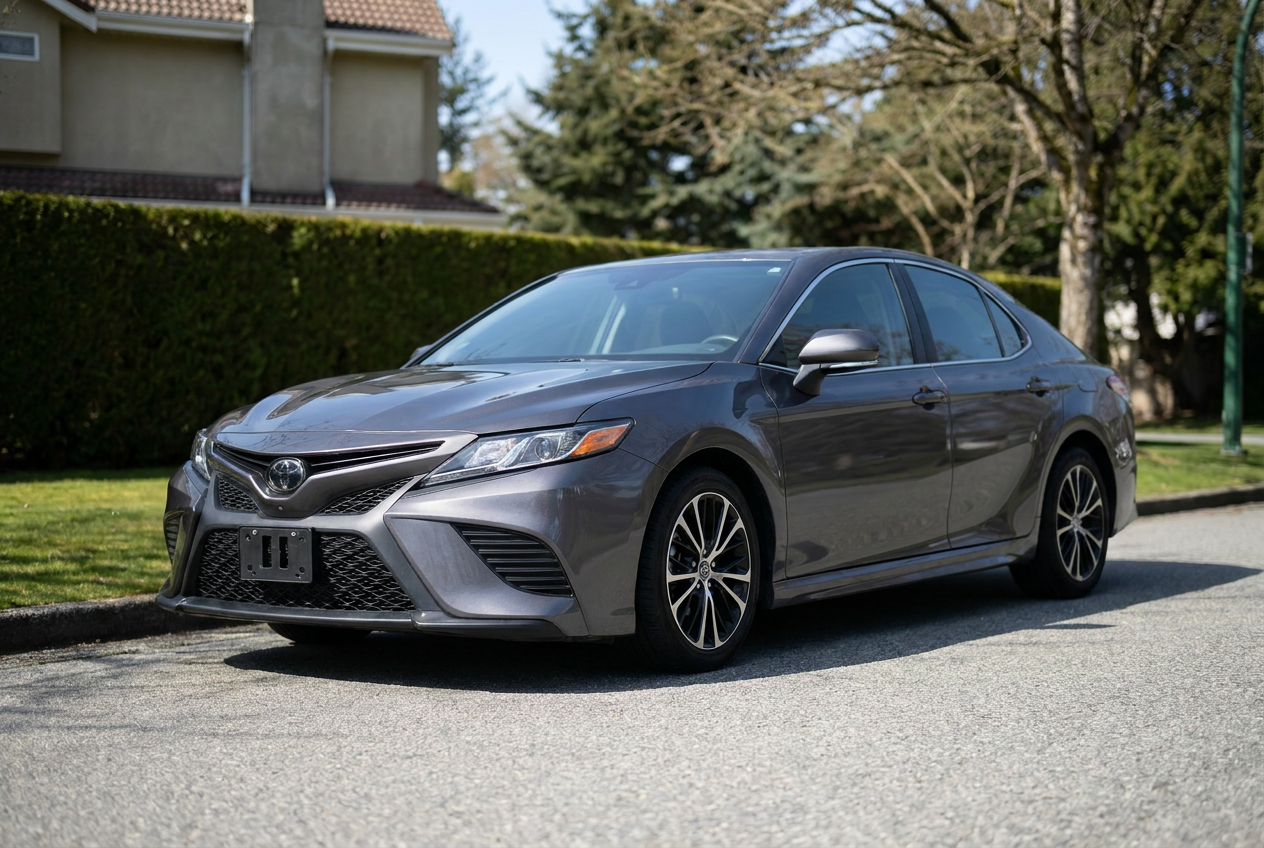
Common signs your car needs detailing include dull or faded paint, persistent interior stains, and lingering odors that regular cleaning cannot remove. You may also notice cloudy headlights, visible water spots, or fine surface scratches that signal it is time for professional maintenance. Addressing these issues promptly helps restore your vehicle's appearance and protects its long-term resale value.
Driving through the historic streets of Bath often leaves your vehicle exposed to more than just typical road grime. You might notice that despite a recent wash, the paintwork lacks that deep, mirror-like reflection it once possessed. This loss of clarity is more than a cosmetic nuisance; it is a clear sign that environmental contaminants and micro-scratches are compromising the integrity of your car’s finish. Maintaining a vehicle in a city known for its specific climate and heritage requires a proactive approach to surface preservation. In this guide, we will explore nine definitive indicators that your car requires professional attention. We will examine everything from the tactile feel of your clear coat to the deteriorating condition of your leather upholstery. By recognizing these warning signs early, you can protect your investment and ensure your vehicle continues to reflect the high standards of BA Auto Detailing.
Why Professional Detailing Matters for Bath Drivers
Owning a vehicle in Bath presents unique challenges that a basic jet wash cannot address. While a standard wash removes loose surface grime, professional detailing is a process of restoration and long-term protection. Residents frequently contend with abrasive limestone dust drifting from nearby Somerset quarries, which can act like sandpaper on paintwork if not carefully removed.
During the winter months, road salt applied across the Mendip Hills clings to the underbody and wheel arches, leading to accelerated corrosion. Furthermore, navigating the narrow, historic streets of Bath often results in micro-scratches from tight parking manoeuvres and roadside vegetation. Recognising the signs your car needs detailing is crucial to preventing these minor issues from becoming permanent damage. As a local specialist, BA Auto Detailing provides professional detailing services that go beyond the surface. We focus on deep decontamination and applying durable barriers to ensure your car remains protected against the specific environmental pressures of the West Country.
1. Your Paintwork Has Lost Its Depth and Shine
One of the most apparent signs your car needs detailing is when the paintwork loses its vibrant, reflective quality and begins to look flat or cloudy. This phenomenon is often the result of oxidation. Even in the relatively temperate climate of the UK, consistent exposure to UV rays causes the clear coat to become porous and degrade over time. Unlike a layer of surface dirt that can be rinsed away, oxidation occurs at a structural level within the paint's top layer, making the finish appear chalky or hazy.
You can identify this by looking at the paint after a thorough wash. If the surface remains dull and fails to reflect light with sharp clarity, it is likely oxidized. A standard bucket and sponge wash is insufficient for this level of wear. Restoring the depth and showroom mirror finish requires professional machine polishing. This process carefully removes the thin layer of dead, oxidized paint to reveal the fresh, healthy clear coat underneath, a result that manual scrubbing simply cannot replicate.
2. Visible Swirl Marks and Spider Web Scratches
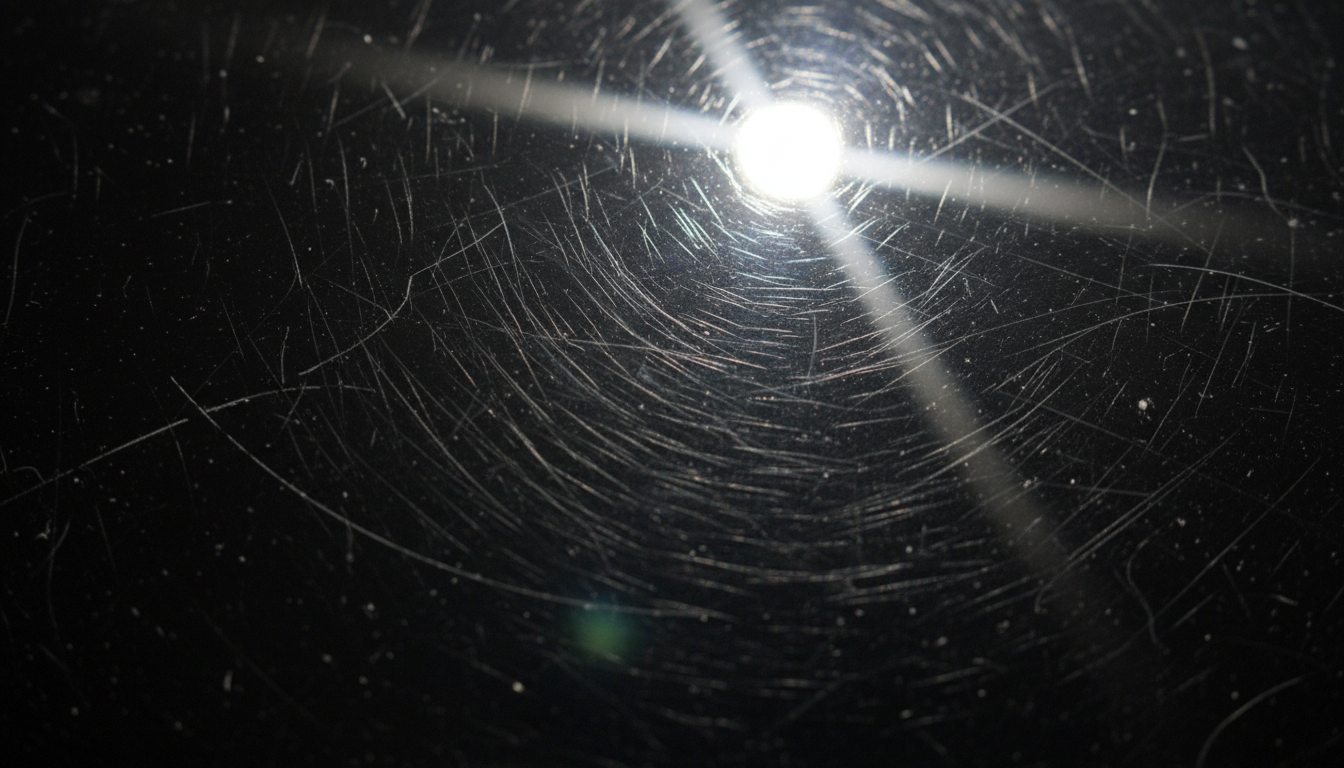
Beyond general oxidation, a closer inspection under direct sunlight or the yellow hue of Bath's streetlights often reveals a network of fine, circular scratches. These visible swirl marks, frequently described as spider webbing, are a direct result of mechanical friction. They typically occur when grit and grime are dragged across the paintwork by high pressure brushes in automated car washes or by using a single bucket hand wash method. You can see a clear example of this damage in the image of swirl marks provided here.
These defects are not just surface dirt; they are physical indentations in the clear coat that scatter light rather than reflecting it. This creates a hazy appearance that obscures the true colour and depth of your vehicle. Identifying these marks is one of the most reliable signs your car needs detailing, as they cannot be removed by simply washing the car again. Safely eliminating these scratches requires professional paint correction, a process involving graded abrasives and machine polishers to level the clear coat. Attempting to buff these out without the proper equipment often results in further damage, making professional detailing services the most secure way to restore a flawless, mirror like finish.
3. The Surface Feels Rough After a Wash
Even if your vehicle looks clean, its tactile texture often tells a different story. A simple way to check for bonded contaminants is the "baggy test." Place your hand inside a thin plastic sandwich bag and lightly glide your fingertips over the freshly washed paintwork. If the surface feels gritty, like fine sandpaper or braille, it indicates that microscopic debris has physically bonded to the clear coat. These contaminants typically include industrial fallout, tar, and jagged iron filings generated by heavy braking on the A36 or the steep descents into Bath city centre.
This texture is one of the definitive signs your car needs detailing. Standard washing cannot dislodge these embedded particles. Specialist detailers use clay bars and dedicated lubricants to safely lift these contaminants from the paint’s pores. Skipping this step is a significant error; applying a wax or sealant over a contaminated surface prevents proper bonding and traps abrasive grit against the finish. Our professional detailing services always include this critical mechanical decontamination to ensure a perfectly smooth foundation for long term protection.
4. Water No Longer Beads on the Surface
Observe how rainwater behaves on your vehicle during a typical Somerset downpour. On a well-protected car, water should form tight, uniform beads that easily roll off the surface. If the water instead sits in flat, stagnant sheets across the bonnet and roof, your existing wax or sealant has likely reached the end of its lifespan. This loss of surface tension is one of the most urgent signs your car needs detailing because it leaves the clear coat completely exposed to environmental damage.
In the local area, this lack of protection is particularly risky due to the high concentration of seagulls. Their acidic droppings can etch into unprotected paintwork within a matter of hours, leaving permanent marks that require expensive correction. By opting for professional detailing services, you apply a sacrificial layer that repels water and resists chemical burns. For long-term durability in Bath's damp climate, many owners find that a ceramic coating is a worthwhile investment to maintain a high level of protection year-round.
5. Your Interior Has a Persistent or Musty Odor
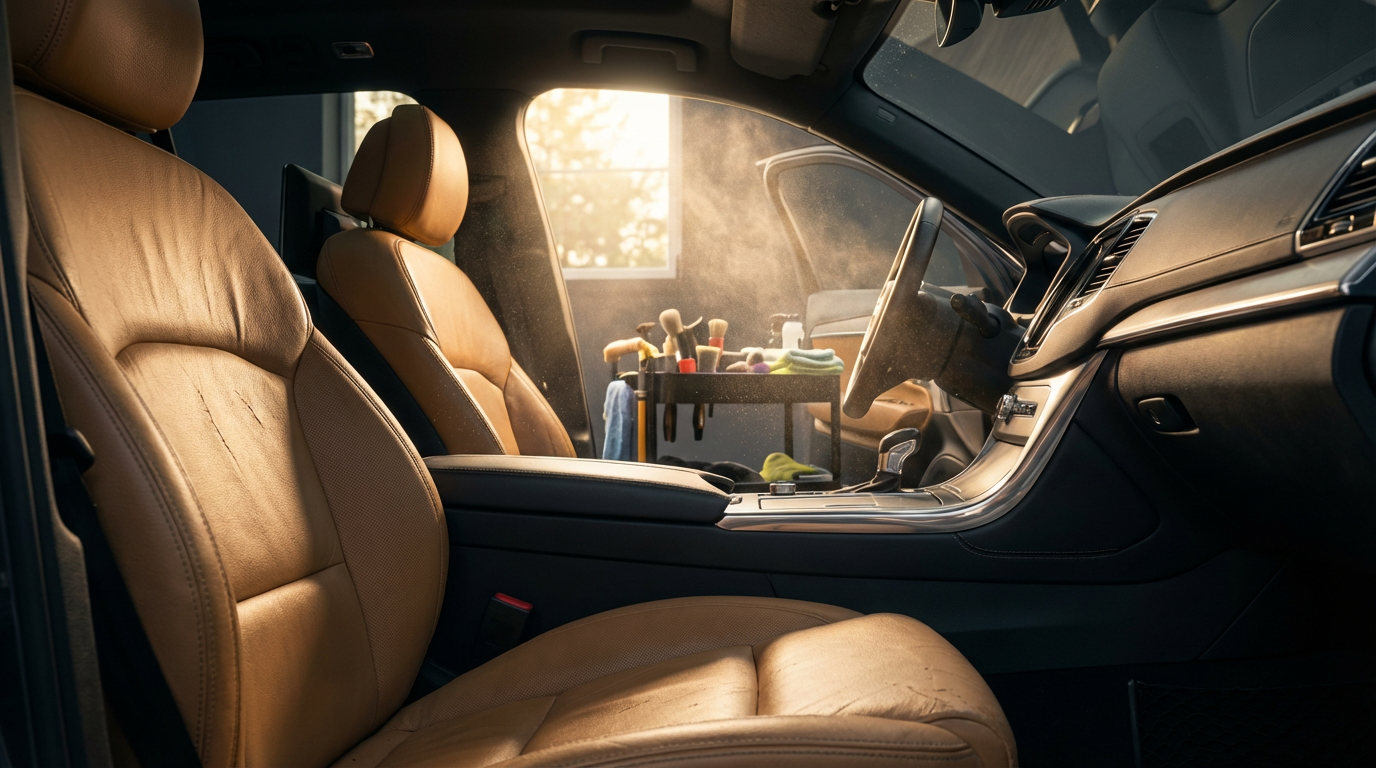
While exterior protection is vital for the longevity of your vehicle, the cabin environment is where you spend most of your time. If a lingering, musty scent persists despite a quick vacuum, it is one of the clearest signs your car needs detailing. These odors rarely stay on the surface; they become trapped deep within upholstery fibres, floor mats, and even the HVAC system. This is especially common for Bath residents who frequent local green spaces like Royal Victoria Park with pets or those managing busy family schedules in the city centre.
A standard valet often relies on powerful fragrances to mask unpleasant smells, but professional detailing focuses on total elimination. We utilise high temperature steam cleaning and hot water upholstery extraction to physically pull liquid spills, sweat, and organic matter from the fabric rather than pushing them deeper into the foam. For bacteria or mould spores that thrive in the damp Somerset climate and settle in air vents, specialized sanitisation treatments neutralise the source. If your cabin no longer feels fresh, it may be time to Contact BA Auto Detailing for a comprehensive interior restoration.
6. Leather Seats Are Shiny or Greasy
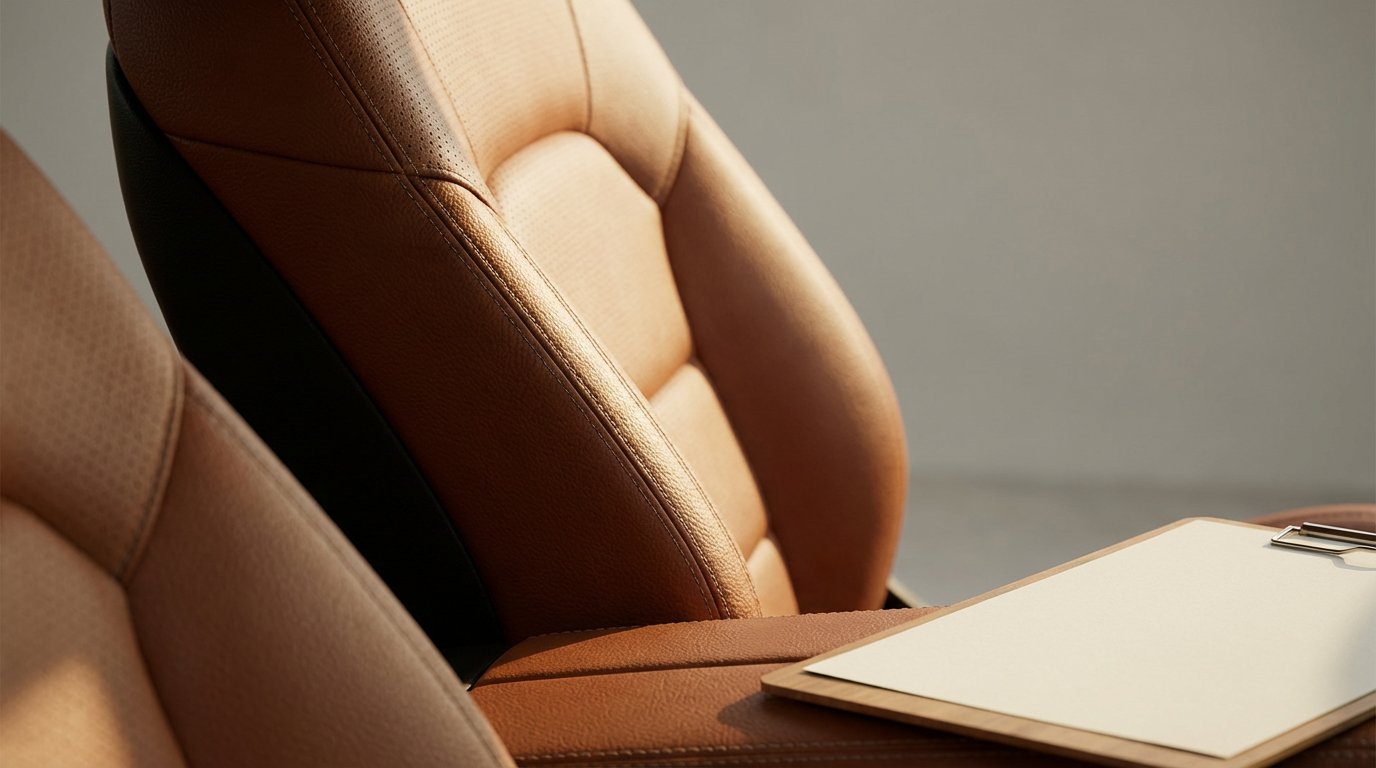
Beyond the smell, the visual texture of your upholstery provides vital clues about its condition. One common misconception among car owners is that leather should have a glossy, reflective sheen. In reality, automotive leather is finished at the factory with a sophisticated matte or satin appearance. If your seats have developed a shiny or greasy look, particularly on the driver’s bolsters and the steering wheel, you are looking at a concentrated build up of body oils, sweat, and environmental grime.
This slick residue is one of the more subtle signs your car needs detailing. Over time, this layer of oil traps microscopic grit, effectively turning the surface into a mild abrasive. As you shift in the seat, this grit slowly wears down the leather's protective topcoat, eventually leading to permanent cracks and unsightly dye transfer from clothing. Our professional detailing services utilise pH-neutral cleaners and specialized soft-bristled brushes to safely suspend and extract these oils. This process restores the material to its original supple, matte state, preventing the leather from becoming brittle or failing under the daily wear of commuting through Bath.
7. Brake Dust Is Pitting Your Alloy Wheels
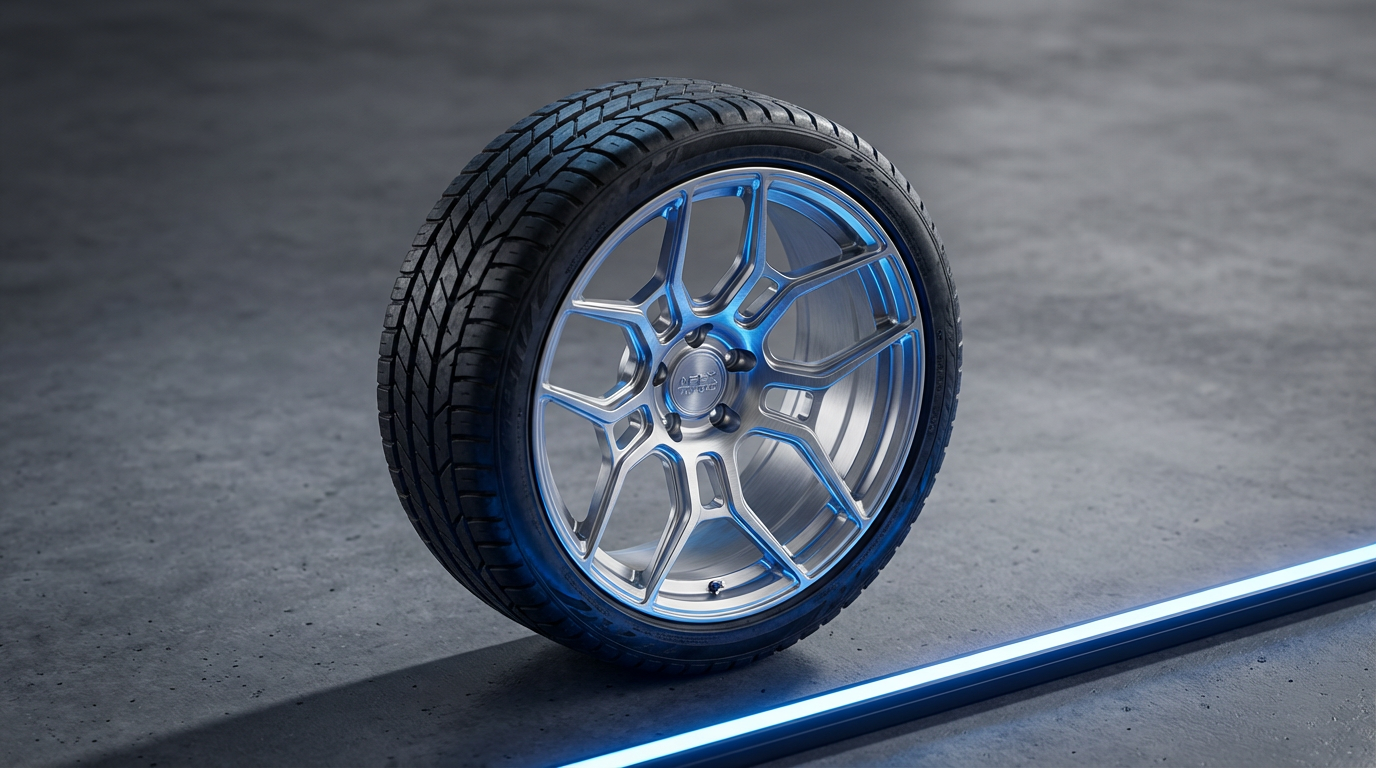
Navigating the steep descents into Bath, such as Lansdown Hill or Widcombe Hill, places significant strain on your braking system. This generates a high volume of brake dust, which is a corrosive cocktail of carbon fibres and metal shards that bonds to your wheels at high temperatures. If you notice persistent black specks that remain after a standard wash, it is one of the critical signs your car needs detailing.
These spots are often burning through the clear coat and into the alloy itself. Our professional detailing services utilise specialised pH-neutral iron decontaminants. These chemical cleaners react with the embedded iron to dissolve it safely without damaging the wheel finish, effectively halting the pitting process before it requires a costly refurbishment.
8. Cloudy or Yellowing Headlights
Hazy or yellowed lenses are among the most critical signs your car needs detailing, as they directly impact your safety during night drives on unlit Somerset country roads. Over time, UV exposure degrades the polycarbonate plastic, causing a cloudy layer that scatters light and reduces beam throw. This is not just an aesthetic issue; it is a frequent reason for MOT failure due to an inadequate beam pattern.
Rather than opting for the high expense of replacing entire headlight units, our professional detailing services include a targeted restoration process. We use a series of fine-grit sanding discs followed by machine polishing to strip away the oxidation and restore crystal clarity. This method saves you significant costs while ensuring maximum visibility when navigating the winding lanes around Midford or Norton St Philip.
9. You Are Preparing to Sell the Vehicle
Deciding to put your vehicle on the market is one of the most practical signs your car needs detailing. While some owners hesitate over the initial car detailing cost, a pre-sale restoration is a strategic investment rather than a luxury. In the Bath used car market, first impressions are decisive. A vehicle with deep, reflective paint and a pristine interior signals to a prospective buyer that the car has been meticulously maintained throughout its life.
Instead of a basic valet, booking professional detailing services ensures every inch of the car is corrected and protected. This psychological advantage often translates into a faster sale and a significantly higher closing price. A professional detail can realistically add hundreds, or in the case of luxury models, thousands of pounds to the valuation. By removing minor defects and sanitising the cabin, you eliminate the buyer's leverage to negotiate for a lower price based on cosmetic condition. The uplift in the final sale price frequently pays for the service itself. If you are preparing for a private sale or a part-exchange near Westmoreland or Widcombe, you should Contact BA Auto Detailing to ensure you maximise your return.
How Often Should You Detail Your Car in Bath?
Determining the ideal frequency for professional maintenance depends largely on how you use and store your vehicle. For most drivers in the local area, we recommend a full detail every 4 to 6 months. At a minimum, you should schedule professional detailing services twice a year. The first session should occur in late autumn to apply protective sealants before the gritters hit the Mendip roads; the second should be in early spring to chemically remove corrosive road salt and winter grime.
Specific local factors may require more frequent attention. Residents who park on the street in areas like Oldfield Park face constant exposure to industrial fallout and passing traffic film. Similarly, vehicles kept under the heavy tree canopy of Lansdown or near the Royal Crescent are prone to tree sap and bird lime, which can etch paint quickly. If you notice any of the previously mentioned signs your car needs detailing before your six month interval is up, it is best to act early to prevent permanent finish degradation.
Frequently Asked Questions About Car Detailing
### Can professional detailing remove all scratches? Detailing can effectively eliminate light surface scratches and swirl marks that reside within the clear coat. Through a process called paint correction, we use machine polishers to level the surrounding paint, making these defects disappear. However, if a scratch is deep enough that your fingernail catches in the groove, it has likely penetrated the primer or metal. These instances require bodyshop intervention rather than detailing. Assessing the depth of paint defects is one of the primary signs your car needs detailing to restore its visual clarity.
### Is the investment in detailing truly worth it? Maintaining a regular detailing schedule is a proactive way to manage the long term car detailing cost by preventing major damage. Beyond the immediate aesthetic improvement, detailing preserves the structural integrity of your paint and upholstery. By shielding the clear coat from Bath’s limestone dust and acidic contaminants, you maintain a higher resale value and avoid the need for expensive resprays or leather repairs in the future.
### What is the best time of year to detail my car? While year round care is ideal, two specific periods are most critical for Bath drivers. Late autumn is the best time for a protective detail to shield the bodywork against the heavy road salt used across the Mendips. Early spring is equally vital, as it allows for the chemical removal of salt and grit that has accumulated in the wheel arches and undercarriage. If you are ready to prepare your vehicle for the changing seasons, you can Contact BA Auto Detailing to book your professional detailing services and ensure your car remains protected.
Recognizing these signs is the first step toward maintaining your vehicle’s value and appearance. Whether you are dealing with stubborn odors, faded paint, or deeply embedded grime, keeping a close eye on these details ensures your car stays in peak condition. While routine washing helps, some issues require specialized tools and techniques for a truly restorative finish. If you want expert help preserving your ride, you can learn more About our dedicated team and our commitment to quality car care here in Bath.